4 Reasons to Remove DRM on KDP
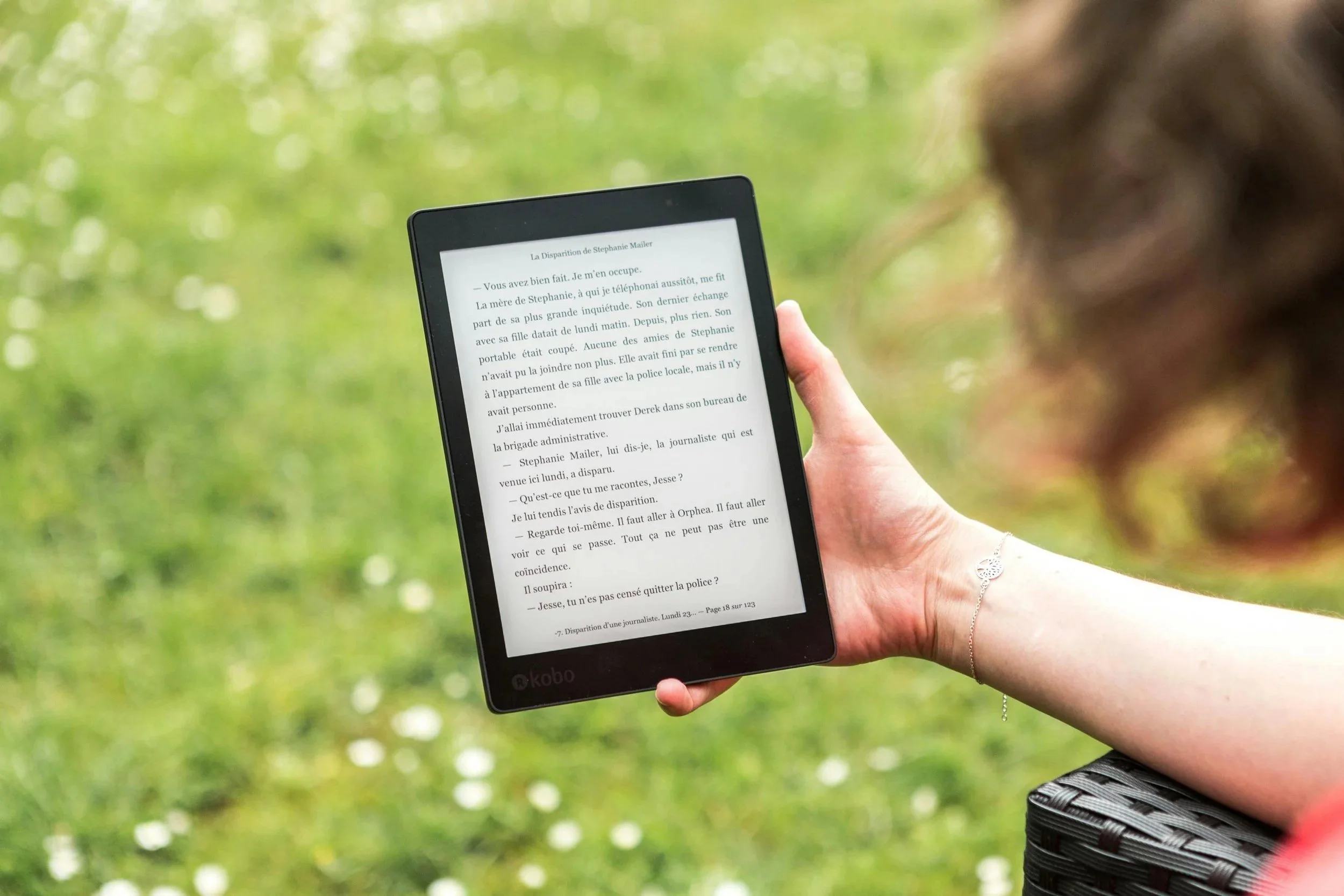
Fairly recently, KDP, Amazon’s print-on-demand company, has made the decision to allow authors to remove the Digital Rights Management (DRM) from their Kindle books.
For those of you who don’t know, DRM helps to prevent piracy by encrypting the book and tying it to the Kindle.
Now, independent authors such as myself can refuse DRM protection and allow users to download our books as PDFs or EPUBs, which makes it very easy for someone to pirate them.
I have chosen to set my Kindle books to DRM-free on KDP. Here are four reasons why you should, too.
1. Pirates are going to pirate
Pirates don’t buy books; they steal them. If they aren’t going to buy your book in the first place and use piracy to procure a digital copy, then what can you do about it?
DRM? That might slow pirates down, but they aren’t going to just roll over because of an obstacle in their way.
If they really want your book, then they are going to find a way to get their hands on it without paying. If they were paying customers, then they wouldn’t be pirates.
2. Ownership
As people realize that, even when they buy a Kindle book, they are actually buying a license to the ebook, not a digital copy of the book.
You don’t own the books on your Kindle unless you can download them in a format you can transfer to another device. That’s what removing DMR from your books does: it allows readers to own what they paid for.
This is the biggest reason to set your ebooks to DRM-free on KDP: your readers should have the choice to own what they paid for.
Paying for a digital book means something more than having a license to it on the Kindle ecosystem. It means readers can transfer it to another device without worrying that Amazon will take it away from them.
When people pay for a digital book, they should be paying for a digital copy of that book, not “borrowing” it for an indefinite amount of time.
Readers should have the choice of whether to pay for a perpetual license to access their book or to own a digital copy. The choice is their right as consumers, and, as authors, we should oblige them.
3. Amazon can remove books from your Kindles
For those of you who are not aware, in 2009, Amazon removed George Orwell’s 1984 from users’ Kindles.
Now, from my understanding, it wasn’t all copies of 1984 ever sold on the Kindle store, but were copies from a third party that didn’t have the publication rights to the book.
While Jeff Bezos did call the decision stupid in an apology, the controversy shows that Amazon can remove your books if it wants to.
This gets back to ownership. Readers bought the book and believe they own it, that it is secured in their Kindle Library.
That’s not true.
While Amazon admitted its mistake and appears to have a mindset of not removing books, that can change. Or, some employee at KDP with the ability to remove books from devices could do it for a controversial book that they don’t like. Or they do it because they don’t like the author.
Or perhaps there is a mix-up over the publishing rights of your book. KDP hears about it, then decides to remove your book from devices or the store entirely. Your readers no longer have access to your book.
Or a government, one that believes free speech to be a suggestion and not a right, could go to KDP, say, “We don’t like this book. If you want to keep doing business in this country, you need to take it down from your store and remove it from all devices within our country.” Amazon might do this, then a whole country won’t have access to your book.
But if readers can download their books and transfer them to another device outside of Amazon's control, their libraries will be secure, and they can continue reading the books, your books, that they legally paid for.
4. Backup
Technology is great when it works, but we all know we should back up our files somewhere, whether in the cloud or on a separate drive.
When DRM is enabled, and your books are restricted to your Kindle, you can’t back them up. Sure, you can download them again from the Kindle Store, but only if your readers have access to it.
Chances are, if someone fries their Kindle, they’ll have access to the Kindle Store on another device via the Kindle App. But it would still be a good idea for them to have a backup, and if readers want to back up their digital libraries, they can’t do that when your book has DRM.
Readers might have problems getting into their Amazon account, and might not be able to access their Kindle Library because of a bug with the app, or their Kindle is defective, or some other reason.
If they were in the middle of a good book, or a book they were reading for school, and the assignment is coming up soon, it would be beneficial to have a backup of the book outside the Kindle ecosystem. That good book or assigned book could, and hopefully is, your book.
Conclusion
Yes, piracy is a problem, but if pirates were willing to pay for your books, then they would do so. As authors, we can’t let the potentiality of piracy interfere with doing right by our readers.
If the reader buys something, then they own it, and they have the right to take it off the device they own, not Amazon.
When I decided to take off DRM protection from my Kindle Books, I wasn’t thinking about myself as an author; I was thinking about my readers and their rights as consumers.
